Building Techniques

  • Attention all Werewolf builders

    Attention all Werewolf builders

    by

    Werewolf is the free plan in the current (Jan 2008) issue and designer Peter Miller has been in touch to advise that a rib set for Werewolf is available from Greenair Designs. I can’t quote a price (as I havn’t been able to get through to them) but you can phone them on 01603 898474…

    Continue reading »

  • Detailing the Bloody Mary

    Detailing the Bloody Mary

    by

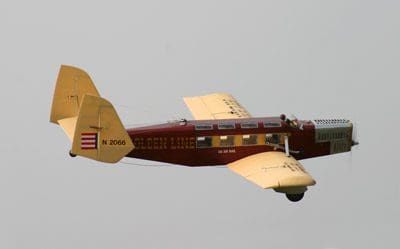
    The free plan model in the October issue was my Bloody Mary period airliner. In this article I'll just go over some of the final details that I added and that I hope you'll agree, give the model a little character! SUPPLEMENTARY EXHAUST Before covering in the fuselage framework, you will need to decide whether…

    Continue reading »

  • Building your first low-wing model – Pt.3

    Building your first low-wing model – Pt.3

    by

    She’s a great first low-winger is the Venus 40 Welcome back once more. We have reached the last instalment of the Great Planes’ ‘Venus 40’ assembly and flying saga. While the previous two parts dealt exclusively with airframe assembly matters; this time we finally get to the exciting bit – flying! But first, the few…

    Continue reading »

  • Building your first low-wing model – Pt.2

    Building your first low-wing model – Pt.2

    by

    The Great Planes Venus 40 is the subject of this three-part series Welcome to Pt.2 of our ongoing low-wing sports/aerobatic ARTF R/C model assembly and flying adventure. Are you ready to get to grips with a beautiful backside and a nifty nose? You are? Good! Lets get going BUTT FIRST Before gluing the horizontal tailplane…

    Continue reading »

  • Building your first low-wing model – Pt.1

    Building your first low-wing model – Pt.1

    by

    The Great Planes Venus 40 is an ideal first low-wing model In the February to May 2006 issues of RCM&E I told you how to assemble and fly your first ARTF high-wing R/C trainer. Judging by the response I received, that information proved useful. But, several readers also posed another question: How do I tackle…

    Continue reading »

  • Propping Up

    Propping Up

    by

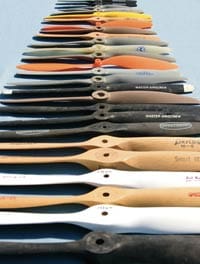
    When learning to fly R/C aircraft in the late ’70s, advice concerning propeller selection was brief: ‘If it’s a 40, you’ll need a 10 x 6 and if it’s a 60 you’ll be wanting an 11 x 7″. That was it. Black and white, with no shades of grey. As my experience grew I discovered…

    Continue reading »

  • Dress to Impress

    Dress to Impress

    by

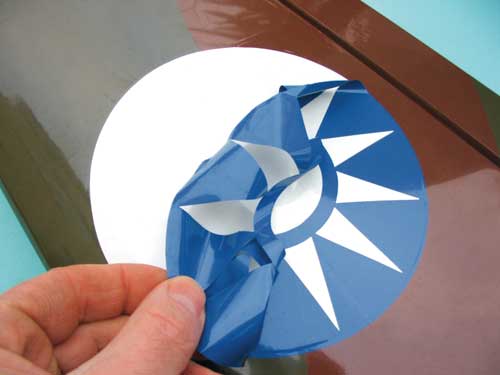
    The art of scale modelling is alive and well; you just have to dig a bit deeper to find it than in previous years. There are plenty of enthusiasts beavering away on a vast selection of own-design, plan and kit-built models, but its true to say that you don’t see so many on club flightlines…

    Continue reading »

  • Plan of Attack

    Plan of Attack

    by

    So, how complicated is it to build from a plan? Well, that depends on your modelling ability and experience. It’s fair to say that a seasoned modeller who’s been brought up on a diet of traditional kit building will have little or no problem as hell already have gained an understanding as to how a…

    Continue reading »

  • Any Old Iron?

    Any Old Iron?

    by

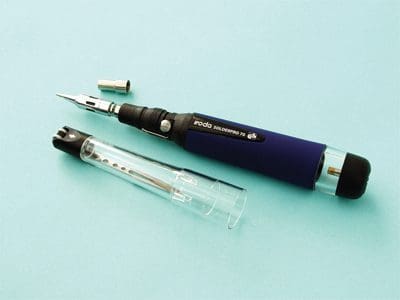
    SOLDER CHOICEChoosing the right solder for the job is just as important as selecting the correct iron. Solder used to be made primarily from lead, but as a result of health and safety issues most modern wire solder is made from tin alloy with, in some cases, small amounts of nickel or silver. You can…

    Continue reading »