
This time Dave Goodenough adds to his diesel collection, looks at control surfaces on wings and witnesses a Spruce Goose take to the air.

words & photos >> Dave Goodenough
As mentioned in a previous ‘One Man…’, I had suggested following up on a theme I’d been asked about earlier: converting existing model kits from rubber power to electric powered R/C devices. It’s been done before by many, from the small, scale kits supplied by several companies, up to models approaching a one metre wingspan. So where to start?
As before, I like to take a pragmatic approach. Don’t try and reinvent the wheel, take a reasonably sized model, use easy to source and cheap equipment and only add extra wood and weight where it’s absolutely necessary. Specialised, ultra-small/light avionics and tiny models can wait until later when experience has begun to build.
Enjoy more RCM&E Magazine reading every month.
Click here to subscribe & save.
As a test model I chose one of the Dumas range of 30’’ (750 mm) wingspan rubber powered kits. The Citabria Champion’s shoulder wing position and decently wide chord provides a platform virtually ideal for simple rudder/elevator/motor control and saving the extra weight and complexity of ailerons. Some modifications are inevitable and necessary, such as ready access to a battery compartment, motor and servo mounting, plus slight ‘beefing up’ of the undercarriage mounting to resist the stresses of landing loads in faster/heavier model arrivals.
SOFTIE?
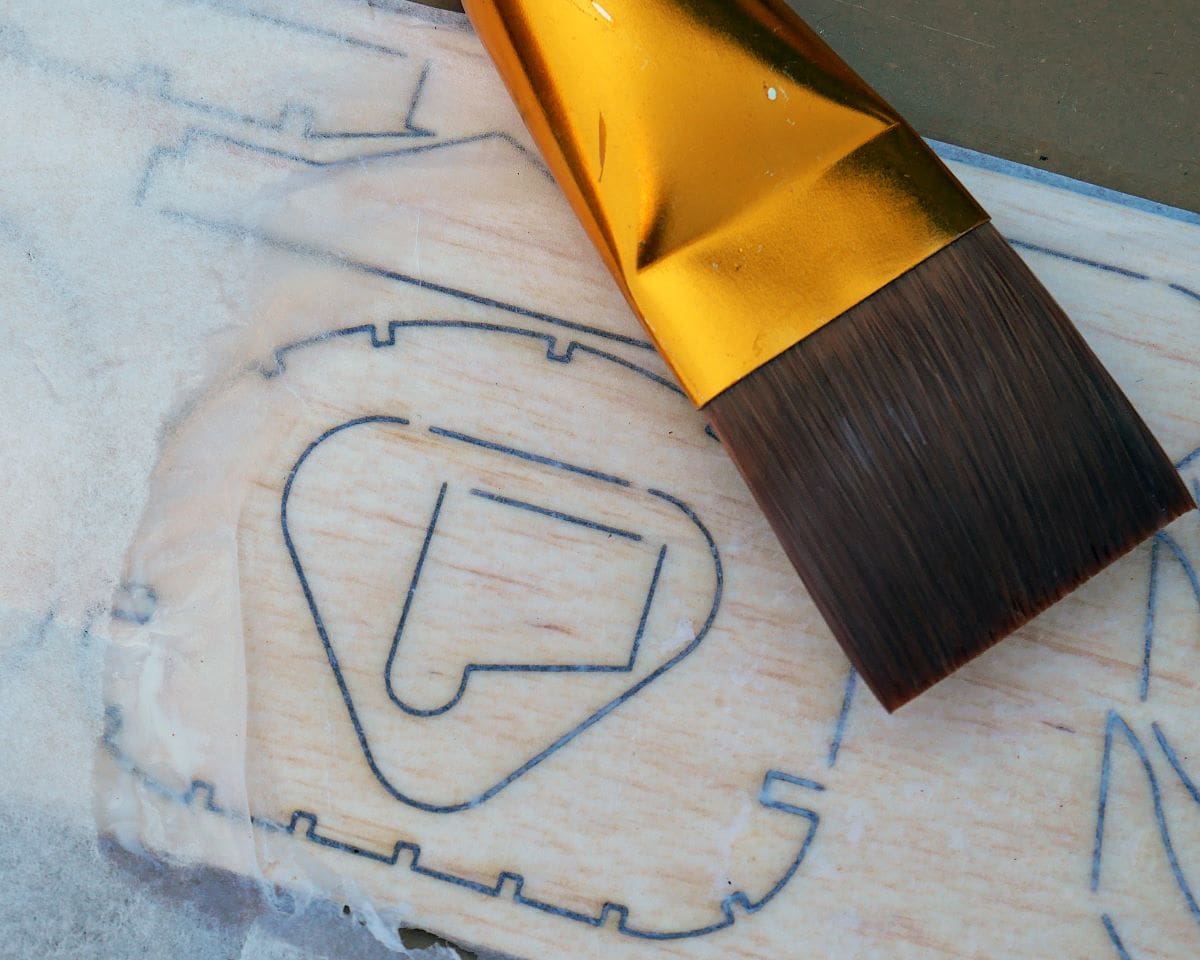
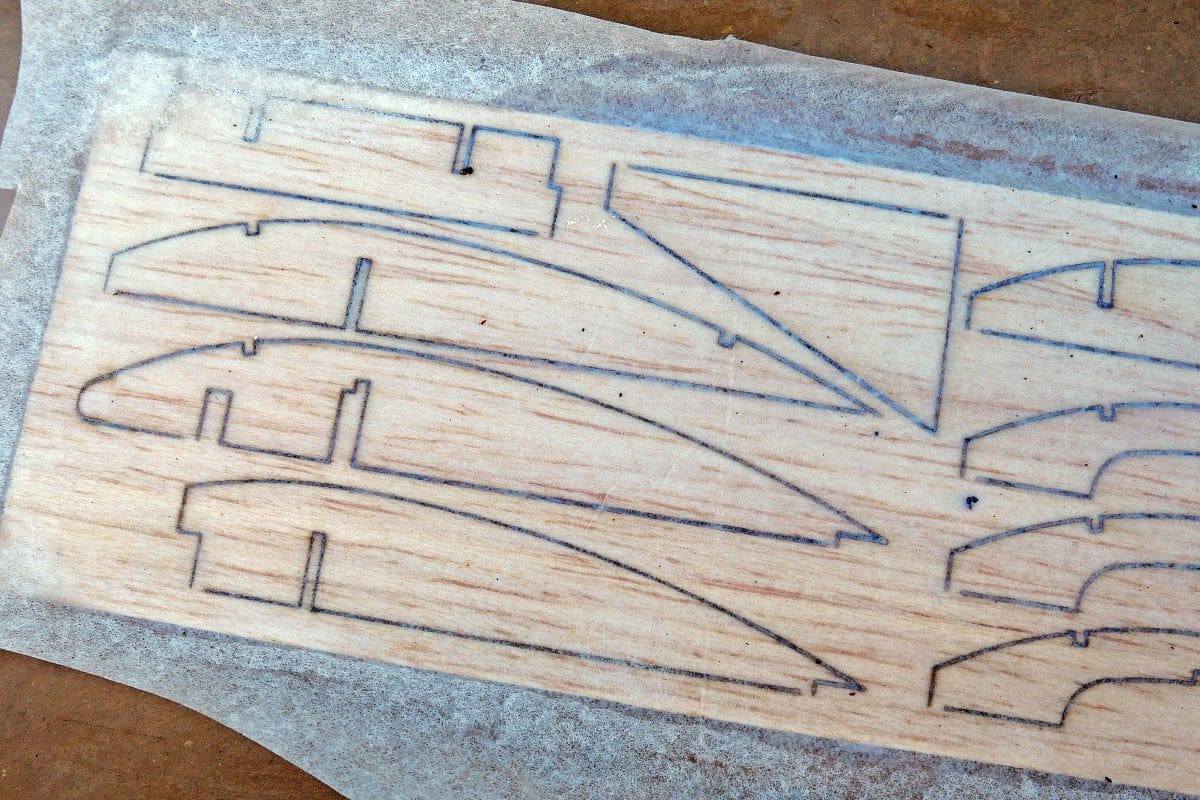
One ‘problem’ with some kits destined for rubber power is that they often use softer or lighter wood selections for the various parts. Not ideal when you’re adding extra power and weight to the finished model, and Dumas kits are notorious for it. But there’s an old wrinkle that can add strength with very little weight gain: cover the wood former sections with tissue doped onto both sides of the piece. It may seem odd, possibly a bit fiddly, but it certainly toughens the parts and renders them a little more user friendly and crash resistant. The nearby photo gives an example. This isn’t a new idea, rather a sensible idea learned from the days of Keil Kraft and Veron small scale kits. Many of their fuselage formers were of oval section and used tiny slots to fit 1/16” square stringers. The sometimes-fragile sheet wood would often fracture when cut, shedding corners of the slots and driving the builder bonkers in the process. Doping tissue on the printed sheet wood helped to stabilise the timber and prevent fracturing. This can still help with small laser cut parts.
THE GIFT OF HISTORY
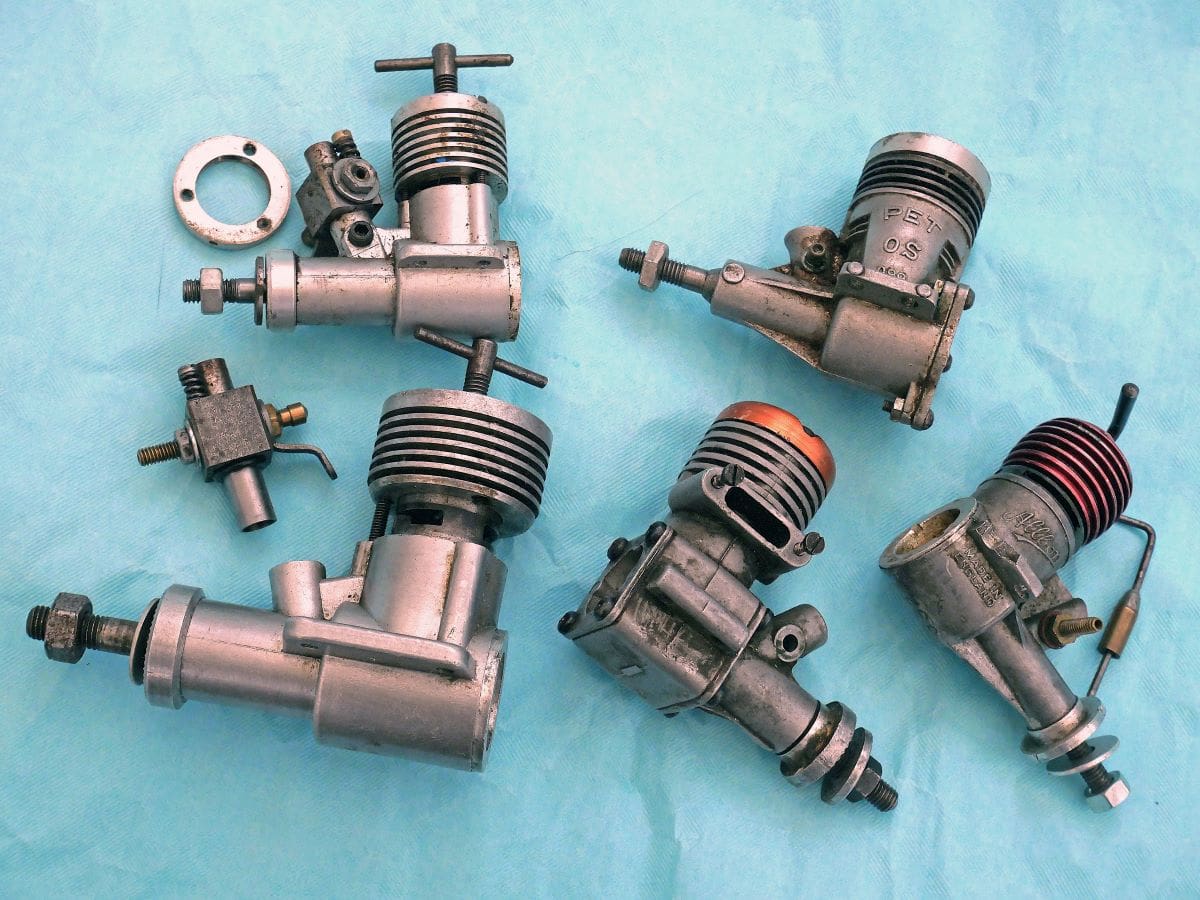
A short while ago my good mate Glyn Downing, resident in the County of Hops, sent me a small package with a distinct, pungent and, for an elder practitioner of infernal confusion engine meddling, unmistakeable odour. Contained within the oil-stained wrappings were several small engines of varied make, ignition and capacity. All had met some form of catastrophe and needed some TLC.
Who cares, I hear you ask. Well, I do!
They may be small and almost inconsequential in these days of big bruiser ‘gas’ motors and howling electrical thrust, but small model building and flying has never gone out of favour, whether R/C or free flight. To most modellers over the western side of ‘the pond’ diesels are little more than the Devil’s work; they long ago decided that glow was the way to go and stuck with it. Here in the UK and Europe we were perhaps a little wiser and understood the benefit of diesel engines, with their ability to swing bigger props more efficiently and run on a mere sniff of fuel. Even now PAW diesel engines remain popular and rightly so. The strength, power and relative quietness of diesels are legendary, with many in the vintage movement preferring them to other IC engine types.
I’ll be diving into these little jewels to see what can be done to return them to use and, if they need bench work, I’ll detail it here. A couple are relative rarities: one is an Allbon, t’other was identified by Tony Eifflaender of PAW engines as a Kingcat, probably a 1.5 cc device.
SPRUCED UP
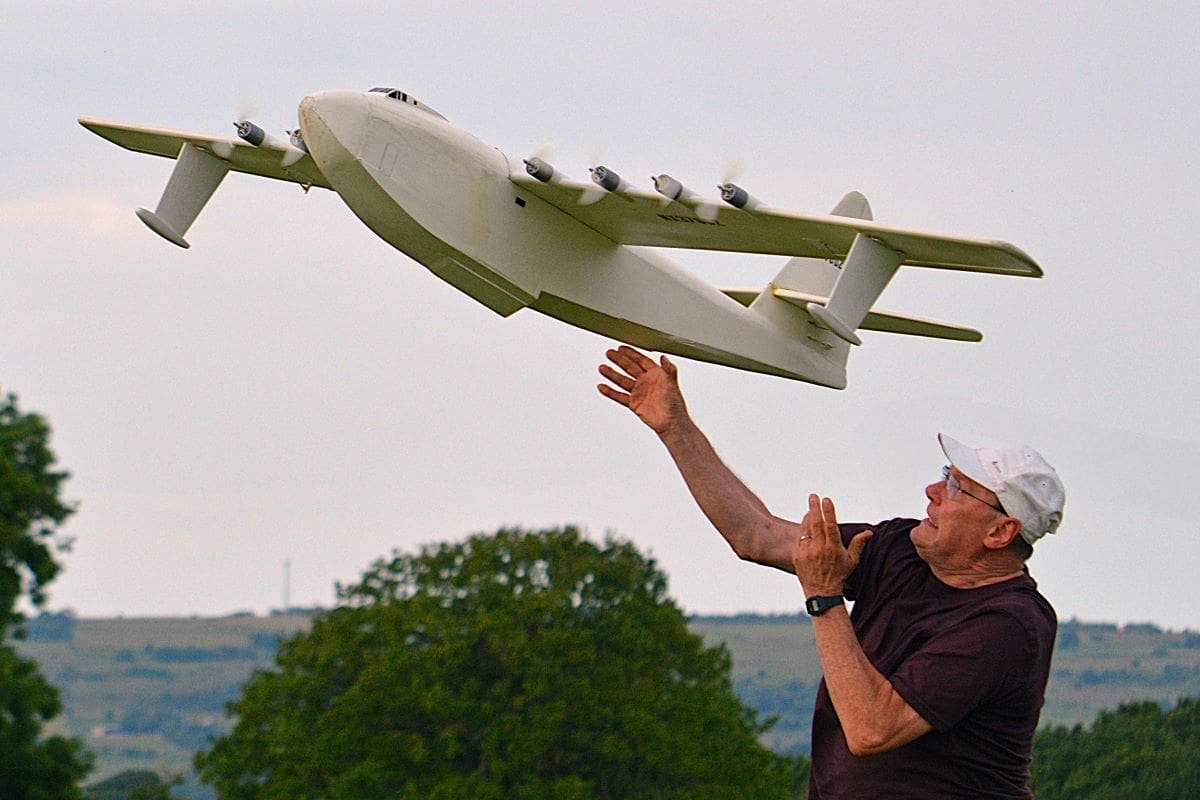
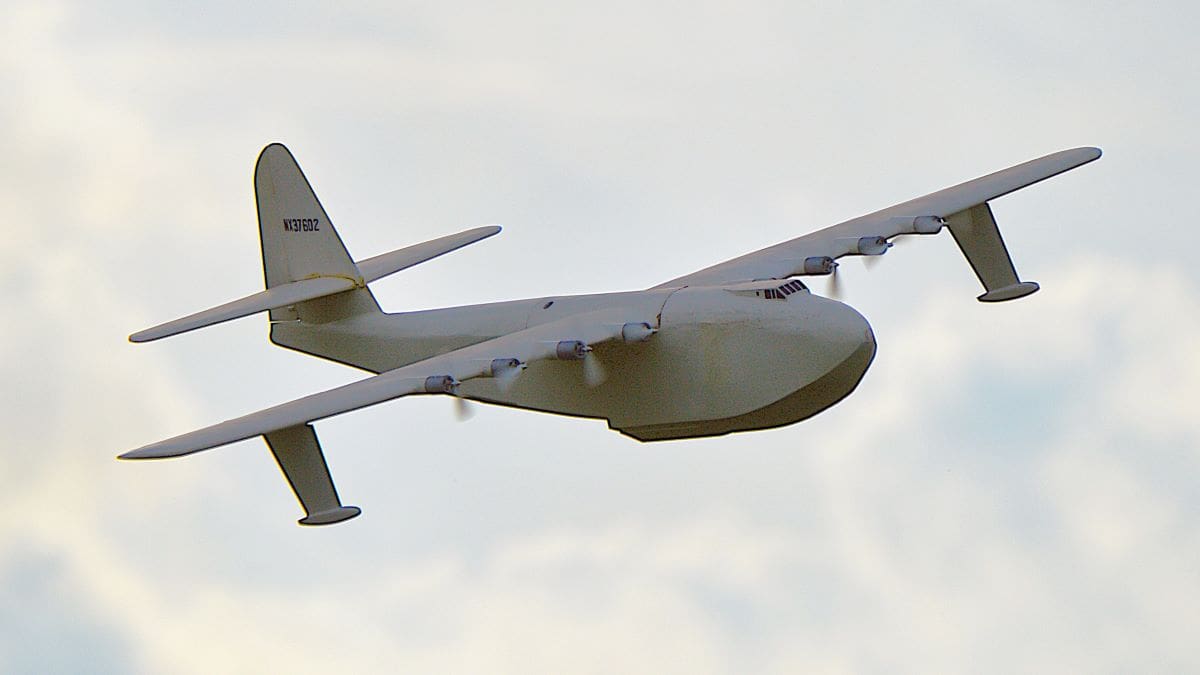
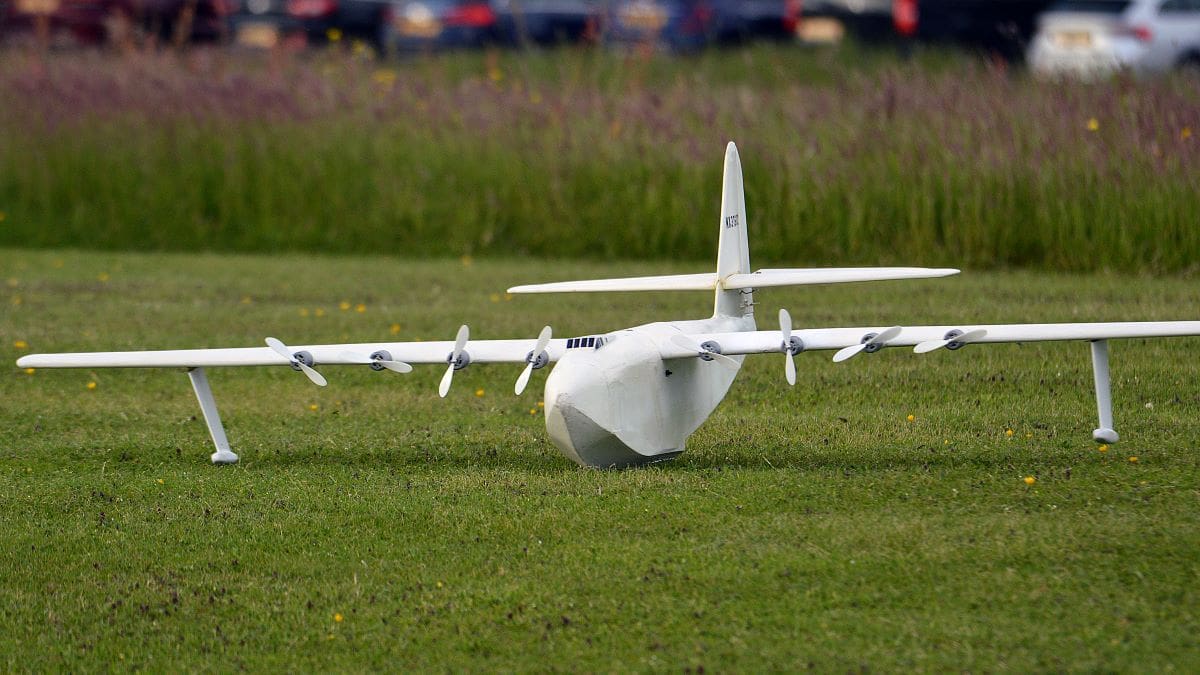
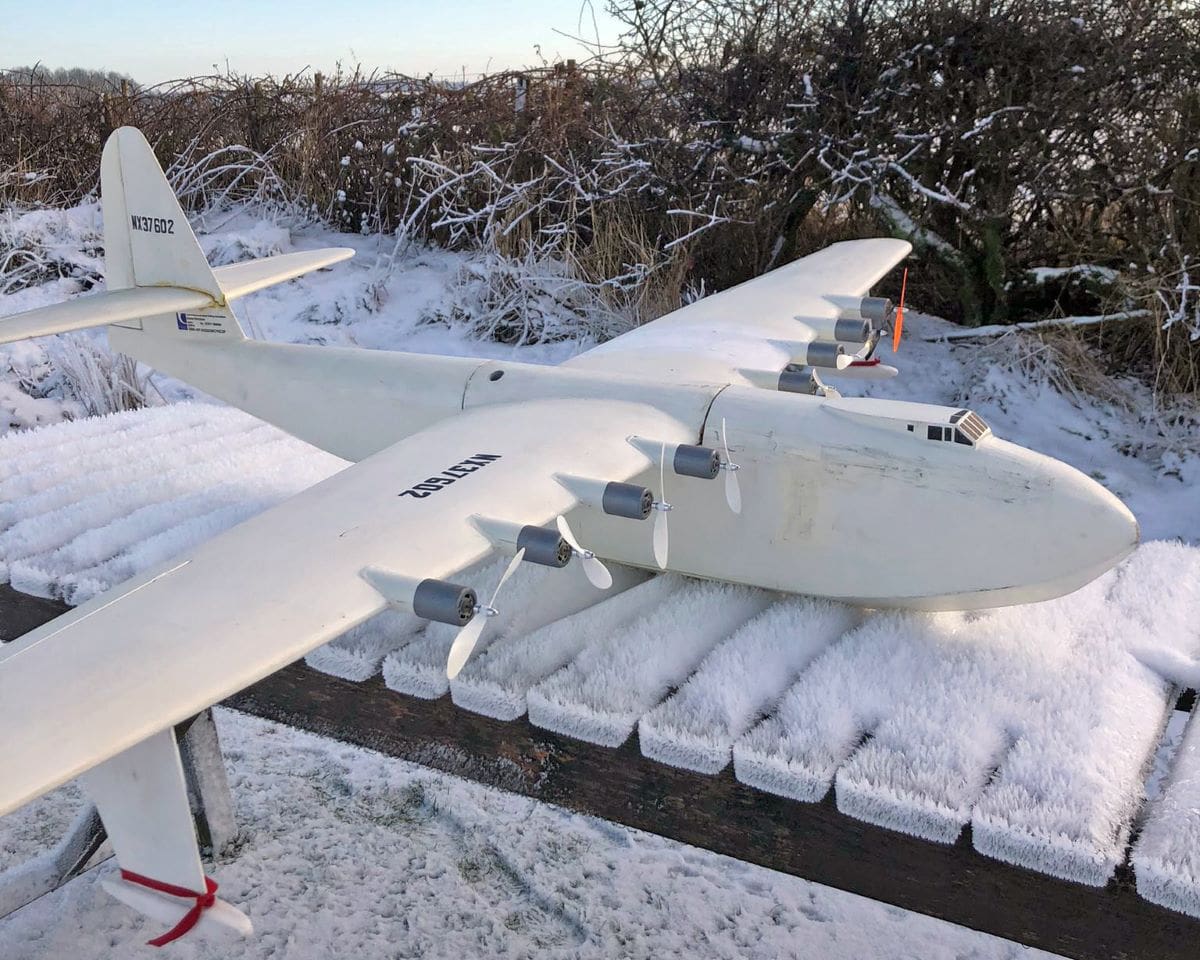
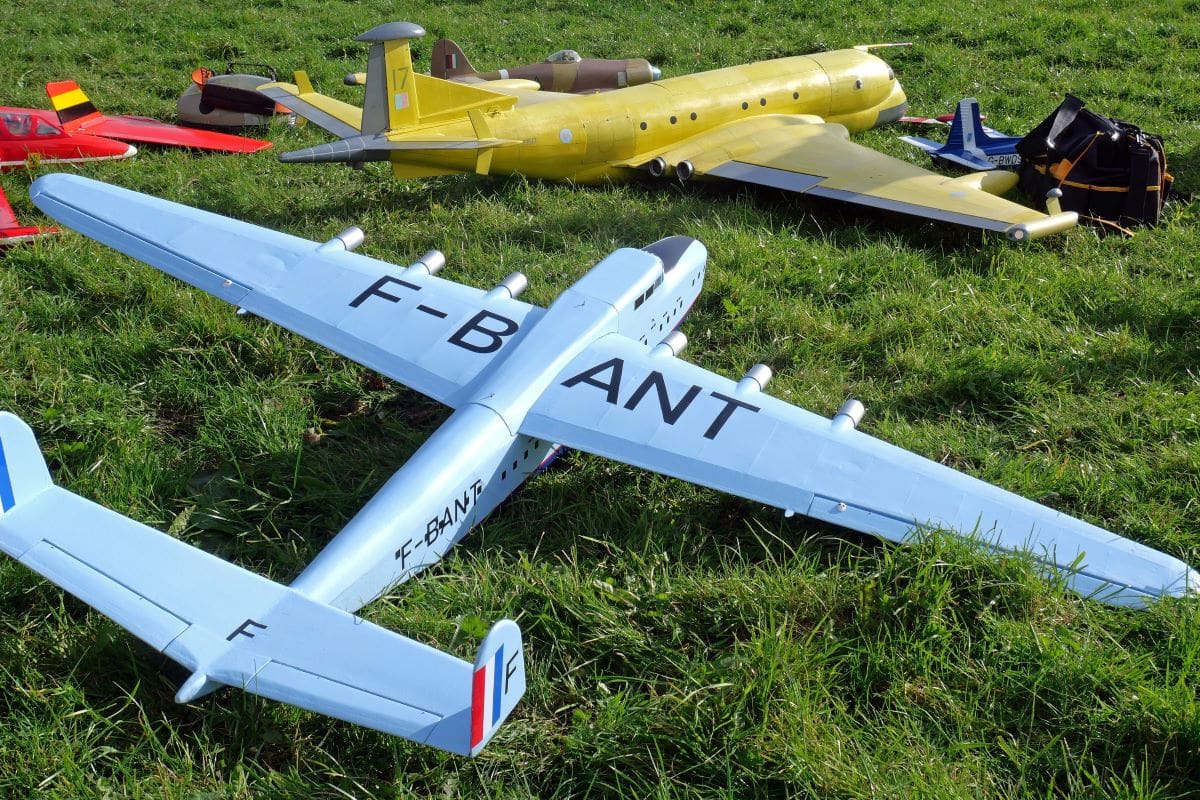
A recent playtime at the club patch saw a rarity emerge from Jim Harrison’s model taxi. Somewhat familiar, the eight props ranged along the tapered wings rather gave the game away, confirmed by the complete lack of any undercarriage complication. A Hughes H-4 Hercules – the Spruce Goose – isn’t what you’d normally expect to see so far from lake, river or sea. One’s ‘must find out more’ glands were massaged and I moved in to ‘black my nose’. The props gave me some ideas as they looked like the types used on DC ‘can’ motors used in the early days of electric oomph. Moving closer in and it was clear that’s exactly what they were, 480 size inners and 400 outers. Said motors looked to be attached at their rear backplate and the motor cans formed the forward part of the engine nacelles. Simple, great for cooling and looking ‘just so’ for scale.
Whilst being fettled in the pits, minor mortals cast furtive eyes across to where this pale and impressive curiosity was being readied for flight. Jim’s rendition is from an old plan of 86’’ span and with the weight saving change from NiCad to LiPo batteries some of the structure was given extra sheeting for added strength. It’s covered in Solartex and sprayed the appropriate colour.
Once girded and with hypertension under some form of control, a clubmate hefted the winsome beast into the air, the musical thrum of all eight motors making the toes curl. Never mind the supposed lack of motor efficiency, away went Howard’s folly into a steady climb like a well-mannered trainer, before the power was eased back to ‘cruise’ and the majestic model droned overhead, being flown sensibly and within the envelope you’d expect from a huge seaplane. In the correct sense of the word this model is awesome in flight, both in its visual impact and the wonderful sound. The gathered modelistas were enthralled.
All too soon it was time to ease the battery load and land the water-based wonder. But with only a sea of short grass available the arrival needed to be executed perfectly. Brought in long-n-low the Goose drew out the barely powered approach on the level, before a puff of sidewind lifted the port wing just enough to drop the starboard and cause the wingtip float to clip the sward. Thankfully, the ‘breakaway’ float attachment did just that, departing the wing and saving the H4 from a nasty turf twiddle and ground loop. No damage, a superb flight and garnering well-earned applause from his mates.
It was later taken out after a light snowfall and managed a slithering take-off and landing, with no report on the state of the intrepid (?) pilot and his frigid extremities.
A DIFFERENT KIT
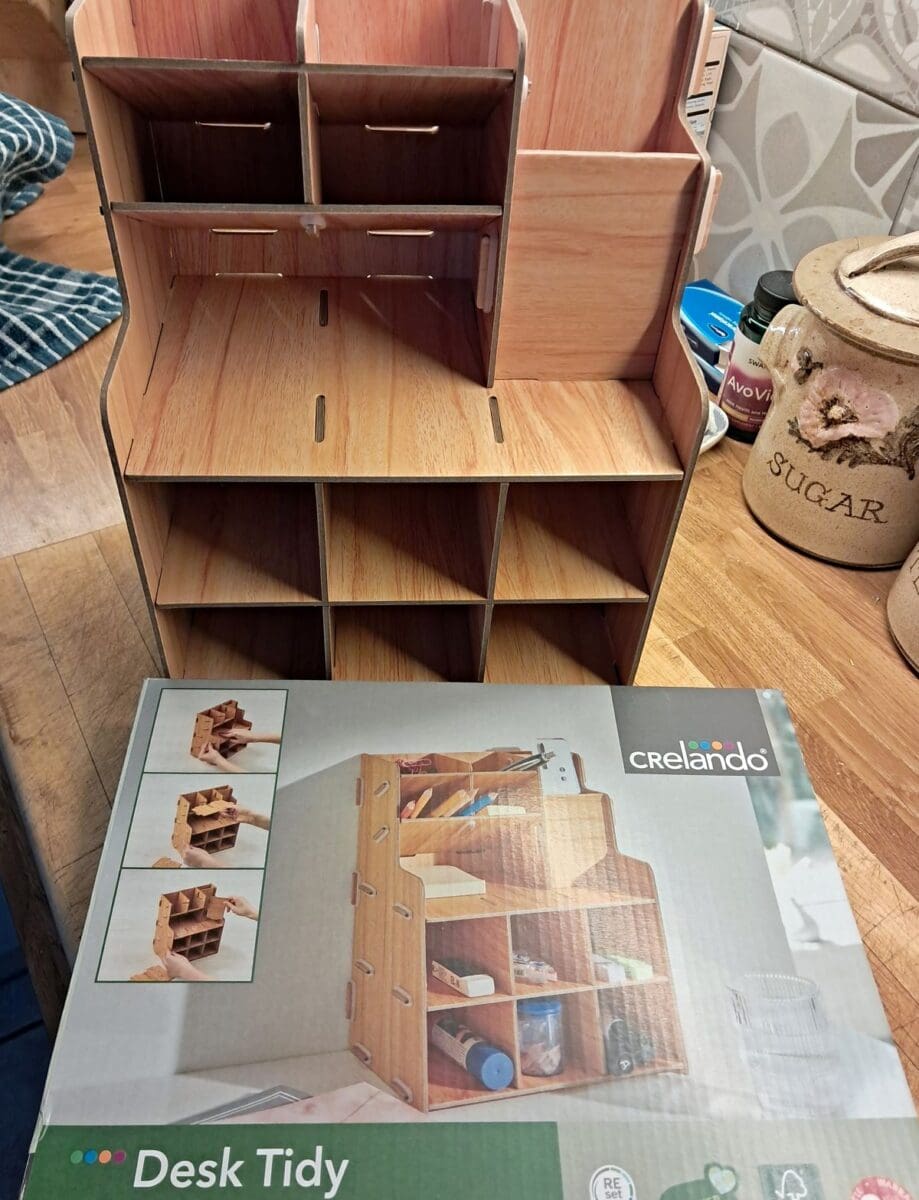
I’ve been at it again, snouting through the supermarket aisles for ‘that’ll be usefuls’ to make modelling life a bit easier.
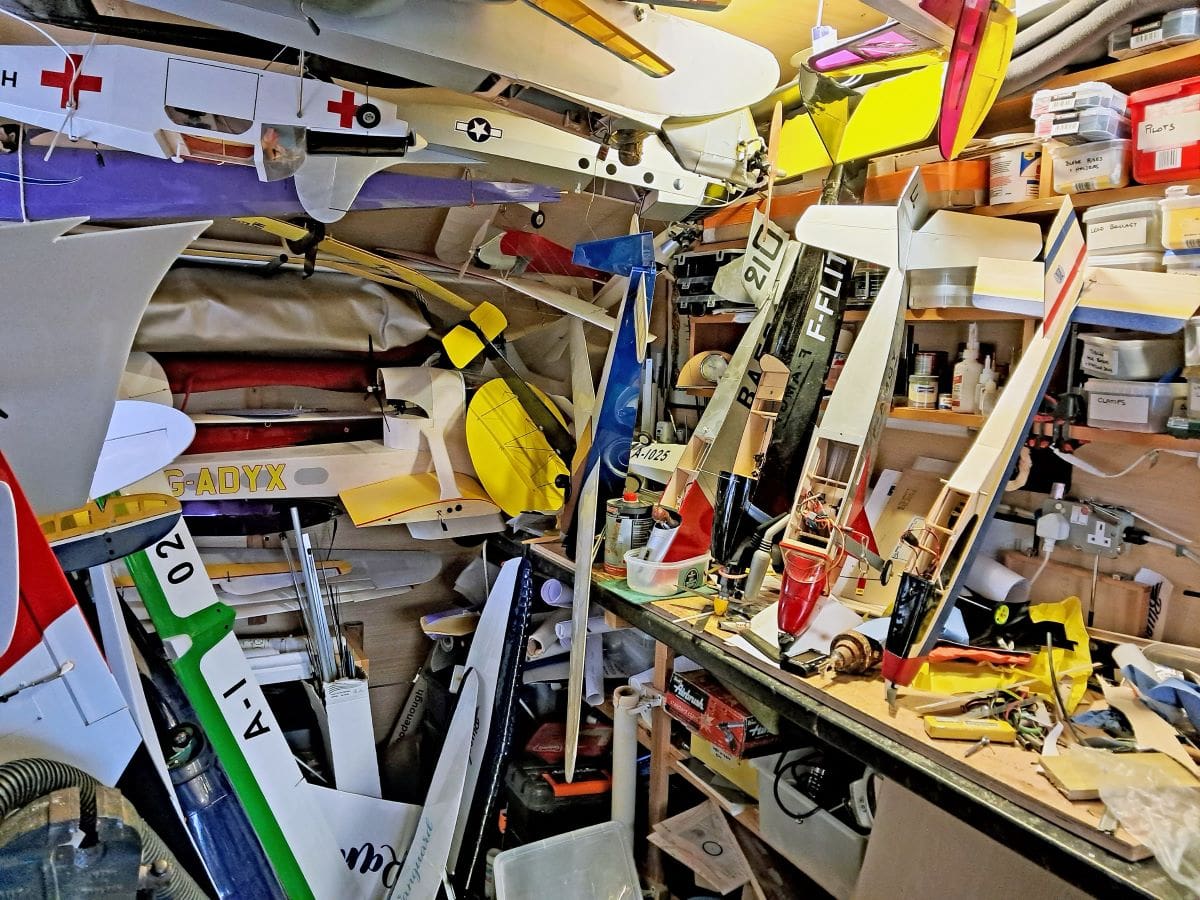
My workbench, along with the rest of my workshop, has become the repository of so much cr** that I begin to despair of where to put the next tool or handy part. Once again, passing down the aisles full of items I never knew I needed, I espied another item that I simply couldn’t do without – a small desk tidy. The reasoning is that if you can’t spread outwards, go up!
This benchtop thingummy helps to gather into one place all the stuff used regularly that oft migrates to places out of sight and mind, sometimes even to the floor when I exercise a degree of clumsiness. It may look like plywood but is in fact vinyl covered, hard compressed cardboard, the whole thing slotting together like a jigsaw and held together with silicon O-ring bands. It sounds cheap and cheerful, and it is, but for less pounds’ sterling than you have fingers on one hand, it certainly has helped tame my errant untidiness a smidgeon.
FILE IT AWAY?
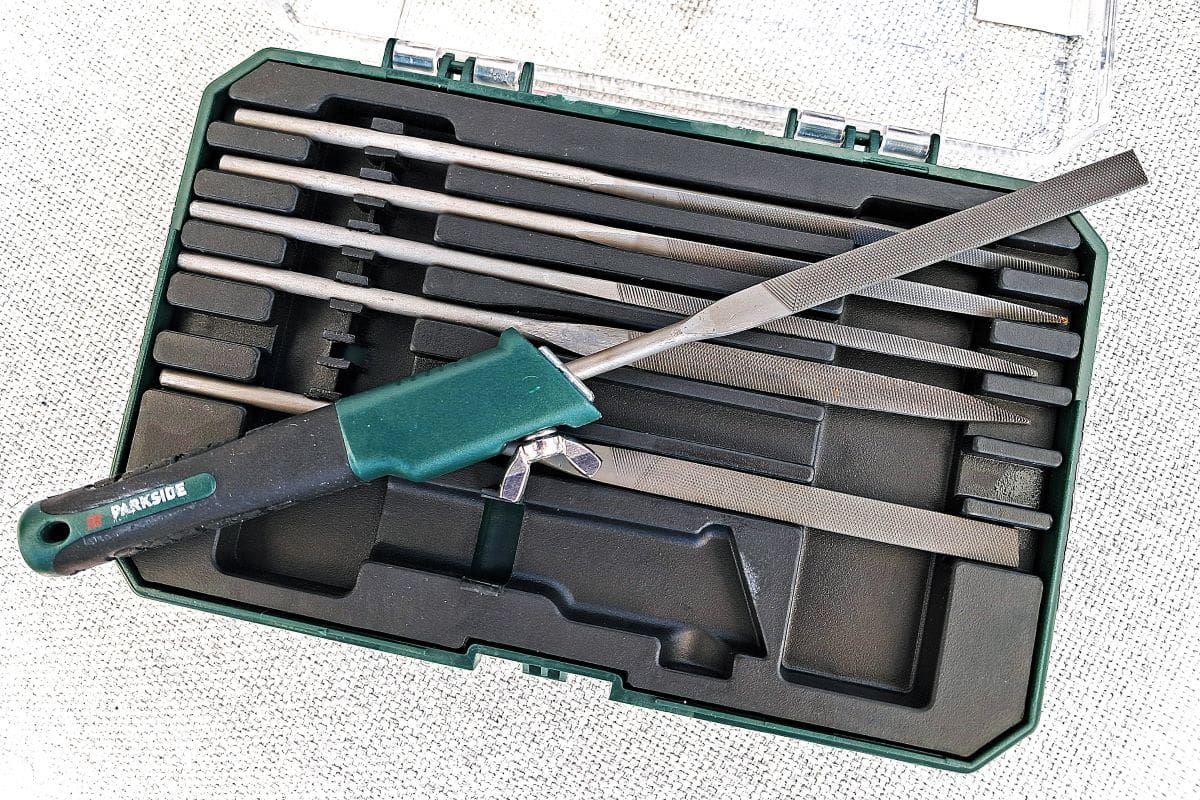
Just today, as I write, herself was shopping with me in reluctant tow as the ‘willing hoss’ and burden carrier. Once again in the ‘rhymes with middle’ store, I was instructed to, “Avert your eyes, sunshine!”. But it was too late. I had seen another bargain and, as any dedicated ‘toolophile’ would understand, I had to have it.
It was a kit of small files that in size sat between needle files and small standard sizes, perfect for those jobs where a needle file is too fiddly/small and larger units too clumsy. The icing on the cake was the ‘comfort handle’ to stop those nasty slippages and shredded skin that oft happens when engaged in fiddly filing. For less than ‘sick squid’ (think about it) that’s only one pound per good quality file, with the handle chucked in as a freebie.
Keep an eye out. They’re on the shelves now and then.
BEGINNER’S BUNDLE
Ailerons! There, that’s got some of you worried…
An e-nudge from our exalted editor mentioned that it might be a good idea to chat about them; their use, sizes, mounting and hinging, amongst other things.
It’s a daunting prospect for some of our less experienced and first-time designers, builders or modifiers of kits and designs originally planned without ‘wing wagglers’ so to keep things simple I’ll leave more complicated scale aileron hinging and control linkages to the specialist model builders and concentrate on the simpler, well-proven methods.
I could rattle on with thousands of words about each aspect of these roll control devices, but that would be as boring as counting your current stock of modelling pins. Instead, I’ll cover a different specific each month and hopefully retain your interest. I’m certain you’ll let me know if I’ve got it wrong!
WHY AILERONS?
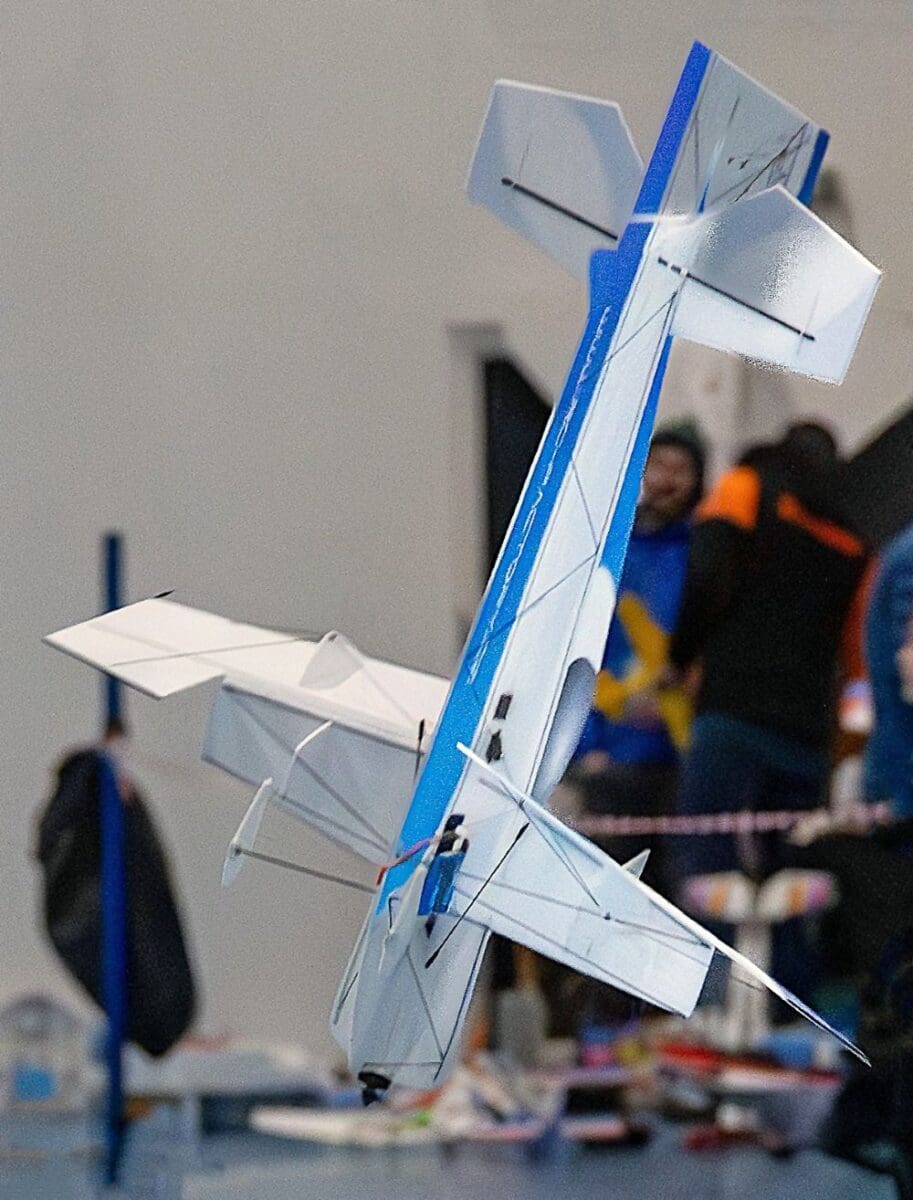
For some earlier full-size aircraft, they were seen as unnecessary. The little 1920s/30s Pou de Ciel (Flying Flea) flew perfectly well with just forewing tilt and rudder control. Very early aerodynes had no dihedral and rudimentary wing warping – twisting the wing’s frame and fabric. But for proper roll control it was quickly found that you can’t beat a good pair of ailerons out in the breeze. All kinds of shape, size and position were tried, even as add-on trailing edge excrescences to wings originally designed without them, as were the odd ‘pull one direction, spring return’ failures. The general rigid push-pull devices that all aeroplanes use now finally ruled, after countless cockups and Mother Earth collisions. From ultralights to fast jets, rigidly controlled ailerons reign supreme.
One fact proven along the rocky road of learned knowledge was that in general aircraft use ailerons both too big and with too great a deflection (the angle to which they present to a wing’s airflow) can cause all kinds of problems. An over-deflected large aileron can cause control reversal caused by the drag of the aileron countering the lift/roll of a wing. The result is usually expensive and terminal! Indoor/outdoor 3D models thrive on ridiculous amounts of aileron size and deflection, but they are particular cases and can be ignored for this introduction.
For model use and simplicity, most ailerons are of two forms; a partial wingspan cut-out, virtually always in the outer wing, or a full-span trailing edge strip section.
LITTLE & LARGE

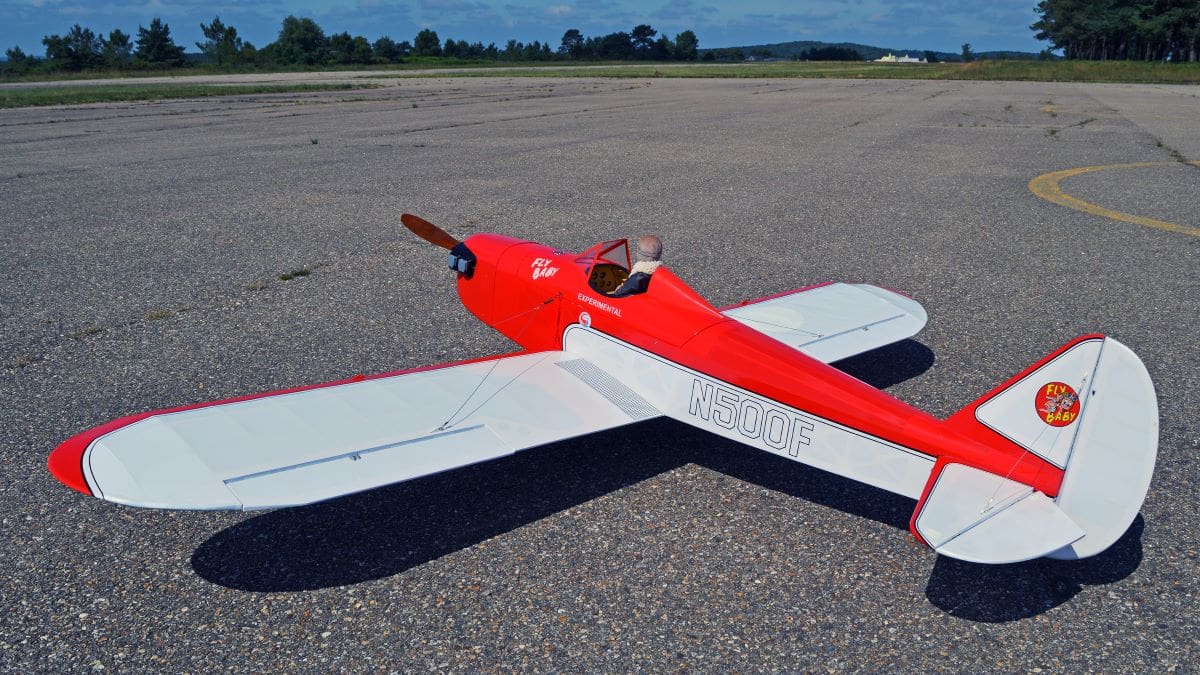
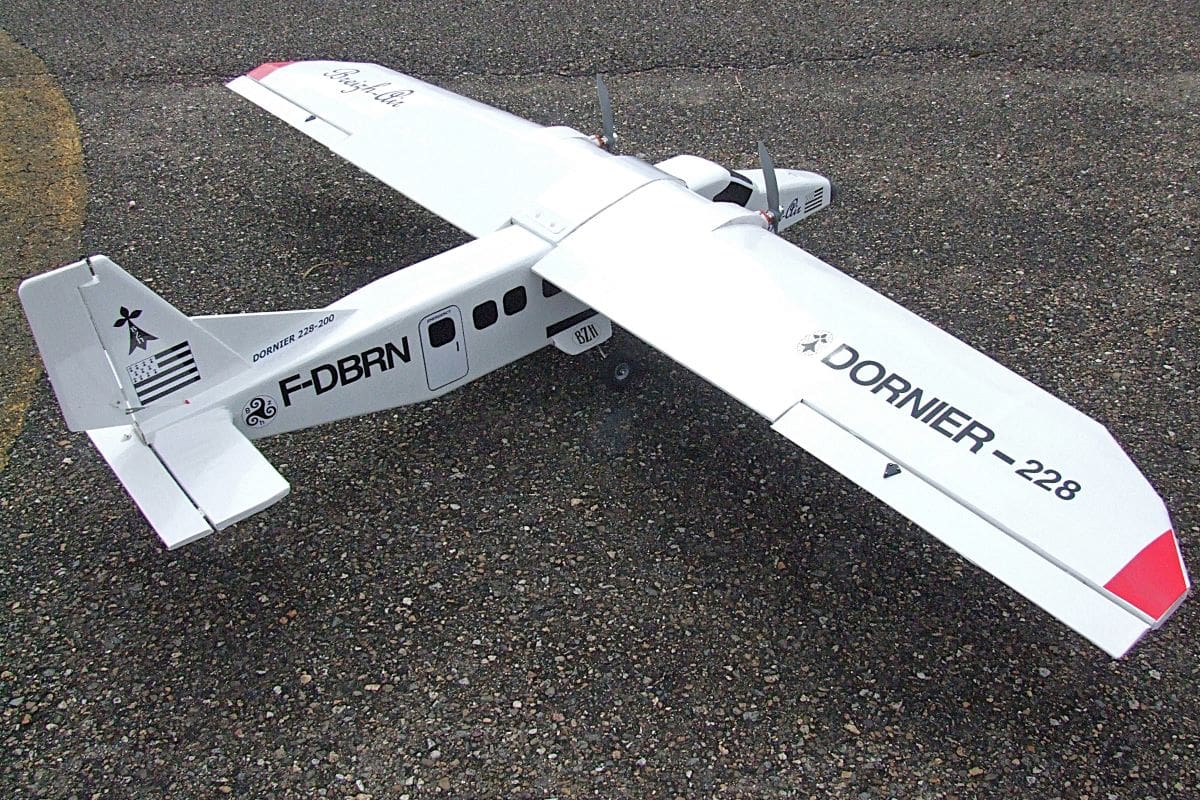
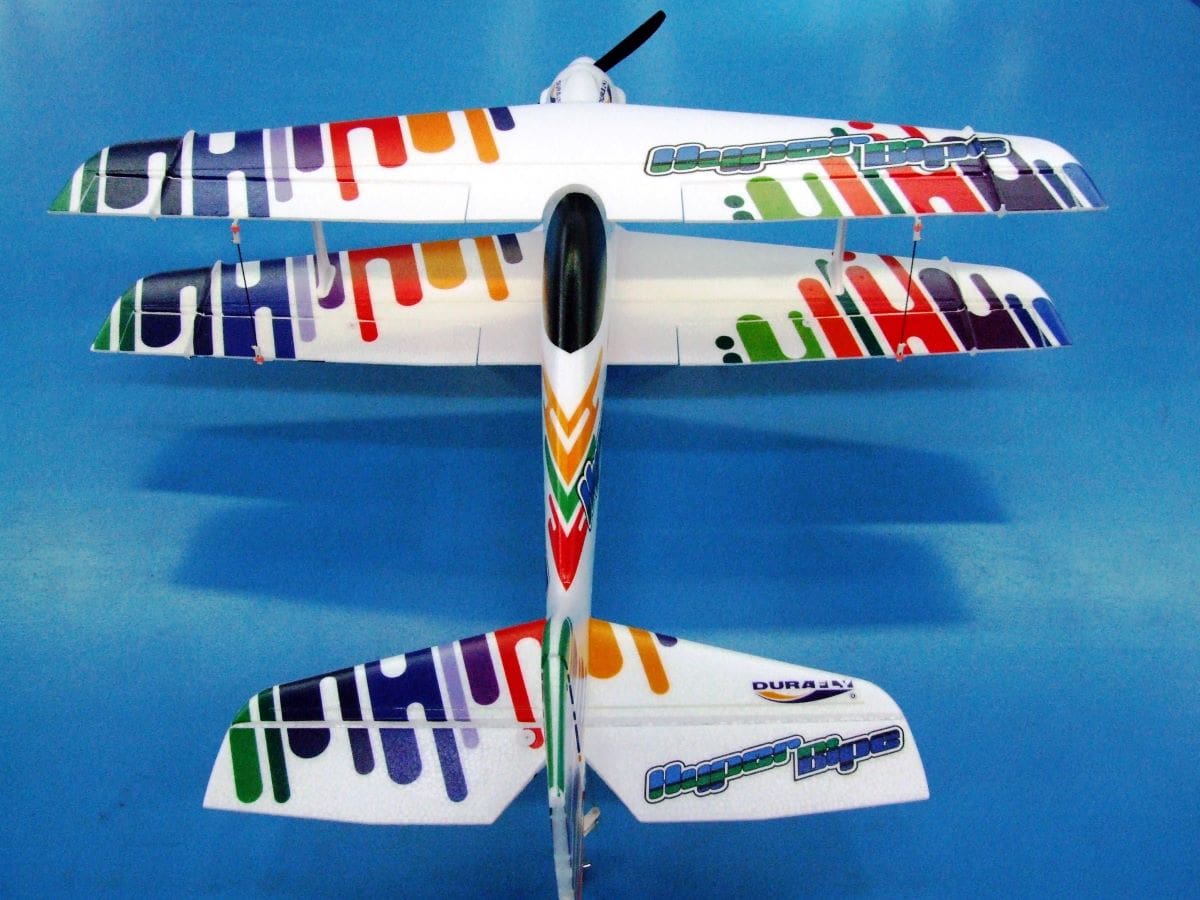
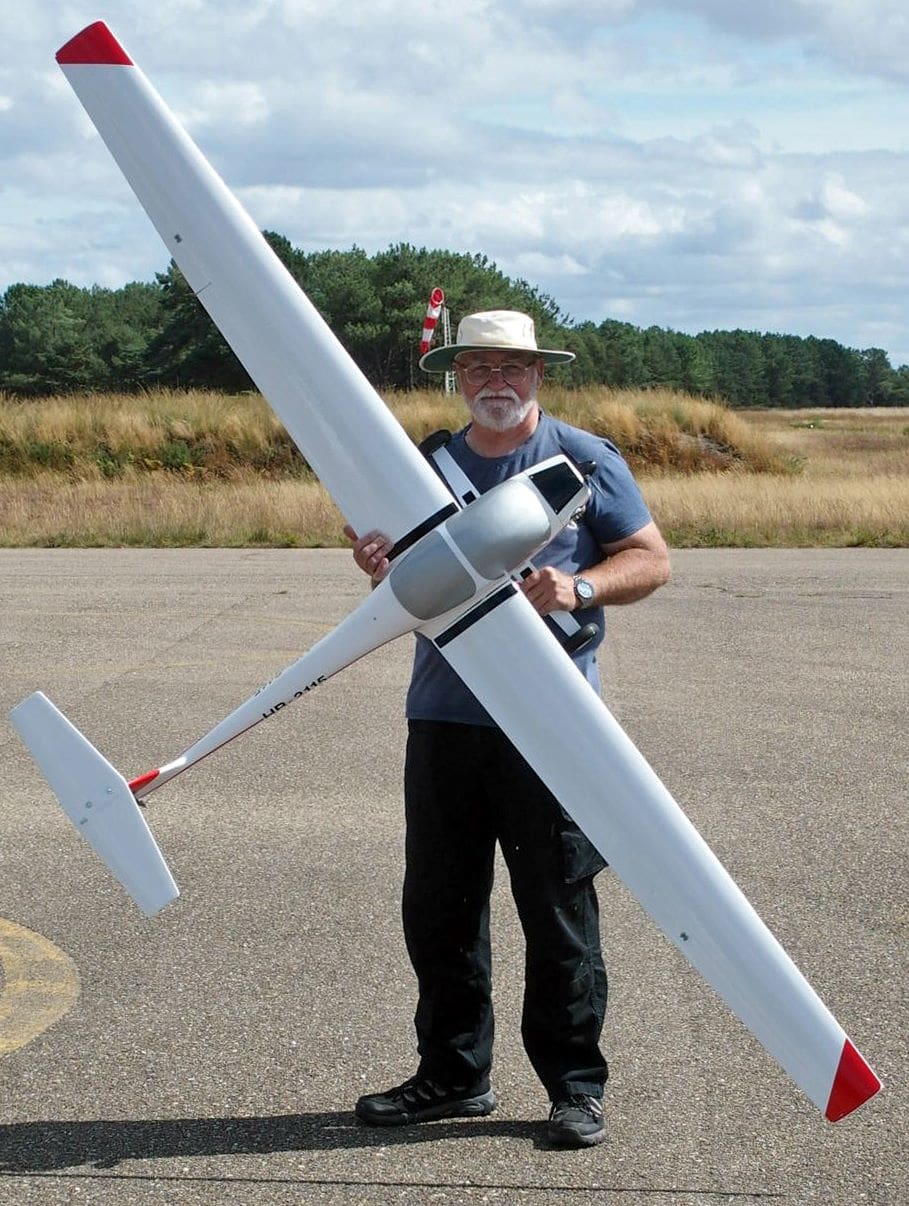

I’m going to suffer some berating for this next statement but for general flying use an aileron should average around 12% of a wing’s area; often more, seldom less. Most of my aileron equipped models, both sport and scale, fall in that general category, being of 8% to 18% wing area. If you check other models you’ll no doubt find the same comparison.
Another statement to stir up the ‘you got it wrong, mister’ brigade is that for average flying, bigger ailerons need less deflection to effect roll control. Likewise, cut-out ailerons further out along the wing exert more roll leverage. It’s simple physics and can be seen in full-size aircraft of all sizes and types.
If you are modifying non-aileron kits or plans this general rule of thumb will suit almost all designs. Unfortunately, there are some models that refuse to play nicely and sulk when you try to exert roll control. My scale Livesey DL5 is one such, where the ailerons are small (about 10% of wing area) and whilst the roll is adequate for sport flying, it refuses to even barrel roll with full deflection commanded. It’s just too stable in flight.
Flying wings mostly use elevons, which combine both roll (aileron) and pitch (elevator) control in the same device and they can be lumped in with ailerons for the purposes of size, hinges, etc. Just for fun, my Ramphor flying wing manages control with tiny elevons, just 4% of wing area, yet as a glider it remains in full control, albeit with ‘soft’ reactions. It’s guided rather than flown.
I’ll leave the topic there for now and we can look at hinges next time. Where to place them, what to use and for what reasons.
TAILSKID
Sometimes, if you have that sort of thinking process, you’ll find yourself in that state of quandary where you have lots of projects queuing for attention and you can’t decide which to do next. It’s my normal state – so many things to do and all of a dither where to start.
If you’re in that ‘do I, don’t I’ state of mind regarding what model to build or repair, there’s a phrase that may help: Initium est dimidium facti.
Basically: Once you’ve started, you’re halfway there.
So just pick the ‘most favoured’ at the time and it’ll all fall into place – or not!